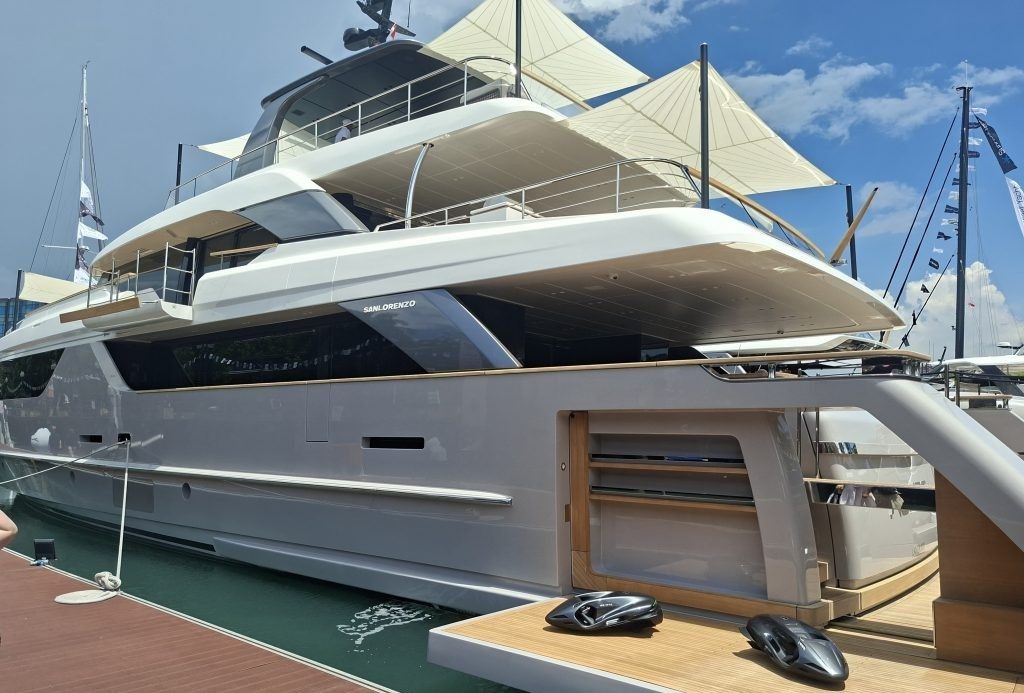
(SINGAPORE 2026.4.25) The Singapore Yachting Festival, currently held at Sentosa Cove, is steering itself in a new direction as it evolves from a conventional trade show into a lifestyle-oriented event, reflecting wider changes in Asia’s developing yachting industry.
Organizer ONE°15 Events Management told Fortune Times that the annual festival, launched in 2023, is no longer focused solely on securing sales transactions. Instead, it aims to engage a broader audience by offering immersive experiences and curated activities, with the goal of reducing the perception that yachting is an exclusive domain for the ultra-wealthy.
ONE°15 Marina, located at Sentosa Cove, does not sell or own yachts. It operates as a marina manager and facilitator, providing the infrastructure and platform for yacht transactions, chartering, and related experiences.
As regional markets such as Thailand and Indonesia continue to grow, and younger affluent consumers increasingly seek experiential luxury, the festival is positioning itself as a gateway to future demand. While Singapore’s physical constraints may curb the island’s boat numbers, demand may tilt instead toward larger, higher-value vessels.
“We anticipate that the boats in Singapore will get bigger and bigger, but the number of boats may not necessarily go up,” said Jonathan Sit, regional general manager of ONE°15’s marina division.
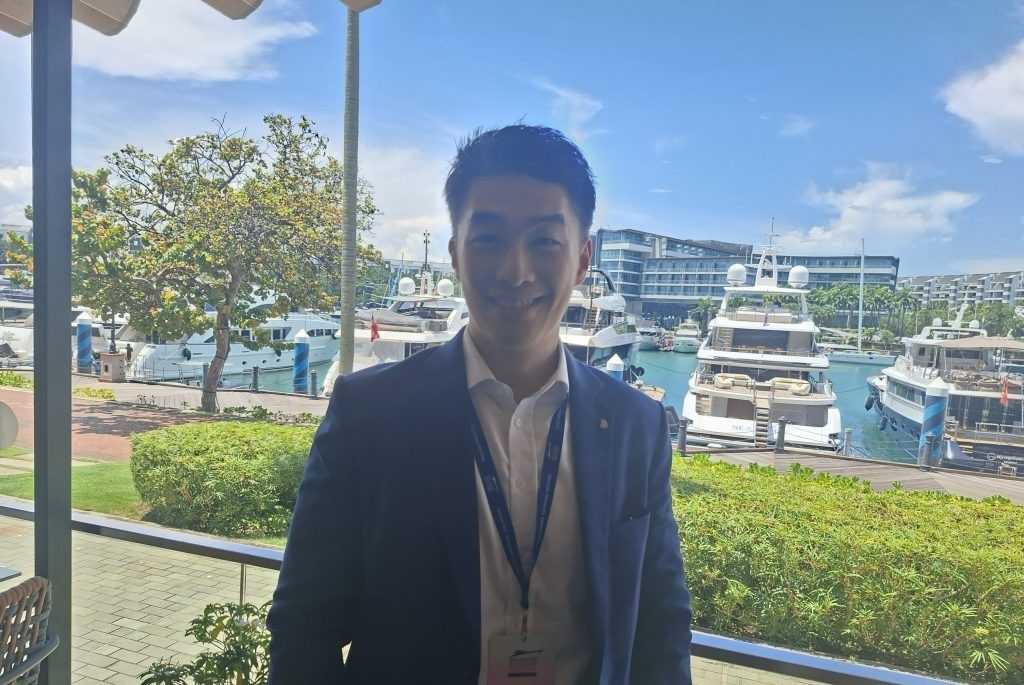
He pointed out that his company’s marina now berths yachts of up to 228 feet (about 67 meters), while superyachts can reach 400 to 500 feet, as commonly seen at yacht hubs such as Dubai and Monaco. ONE°15 Marina currently offers about 274 wet berths and 60 dry berths.
Mr Sit also pointed to the wider economic contributions of yachting, including jobs for captains, engineers, and crew, as well as demand for maintenance services, tourism, hospitality, and related supply chains. In his view, yachting extends far beyond luxury consumption and makes meaningful contributions to the broader economy.
“Yacht owners often stay at our hotel when they visit, creating additional business for us. From our perspective, these vessels generate significant economic gains. There’s a common misconception that the industry only serves the wealthy, but in reality, it creates substantial trickle-down effects.”
He also observed a clear flip in consumer behavior among young affluent individuals, who now prioritize experiences over material possessions, favoring experiential luxury over traditional status symbols like branded bags or cars.