In a typical museum, artifacts and artworks are kept behind glass cases to preserve and protect them.
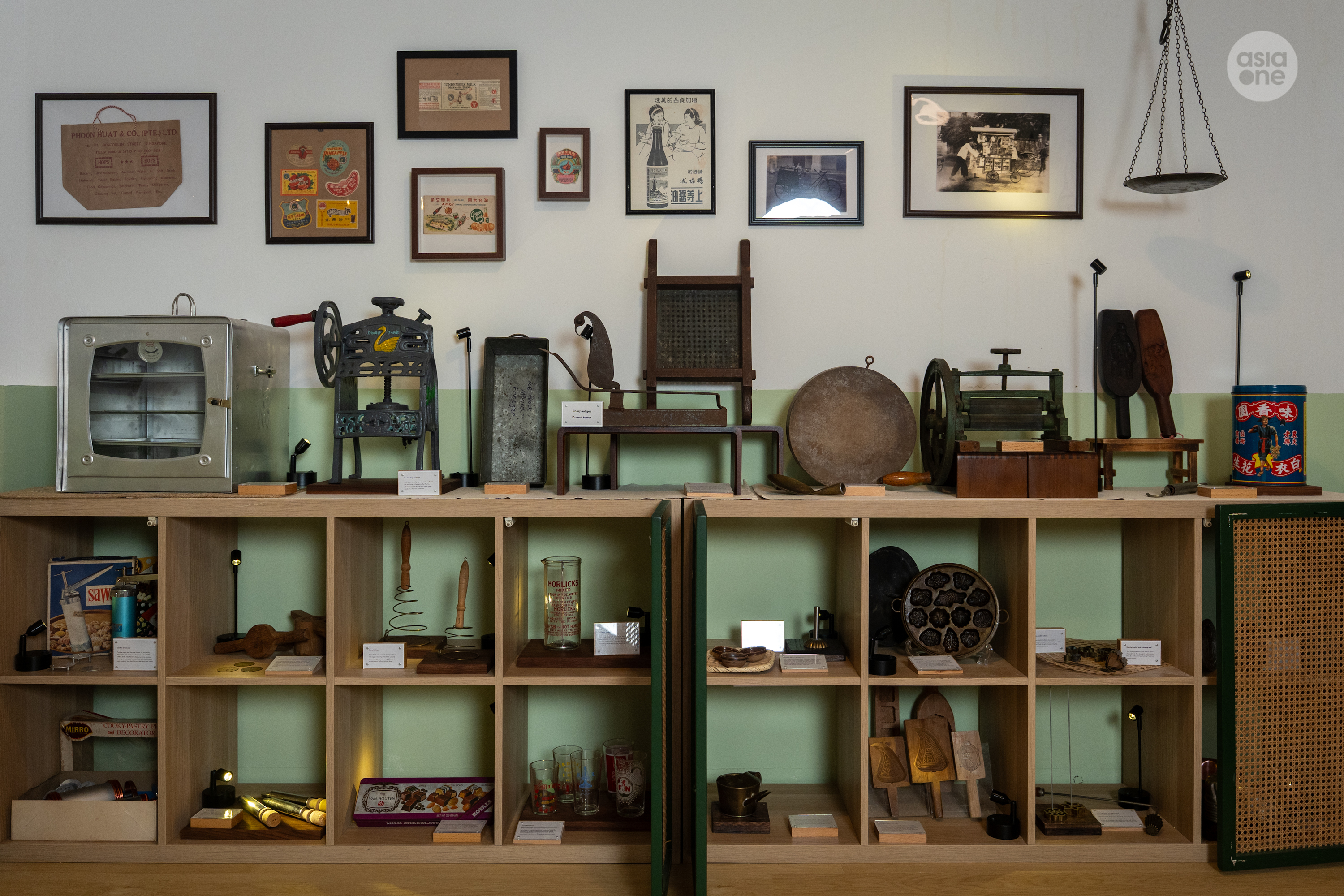
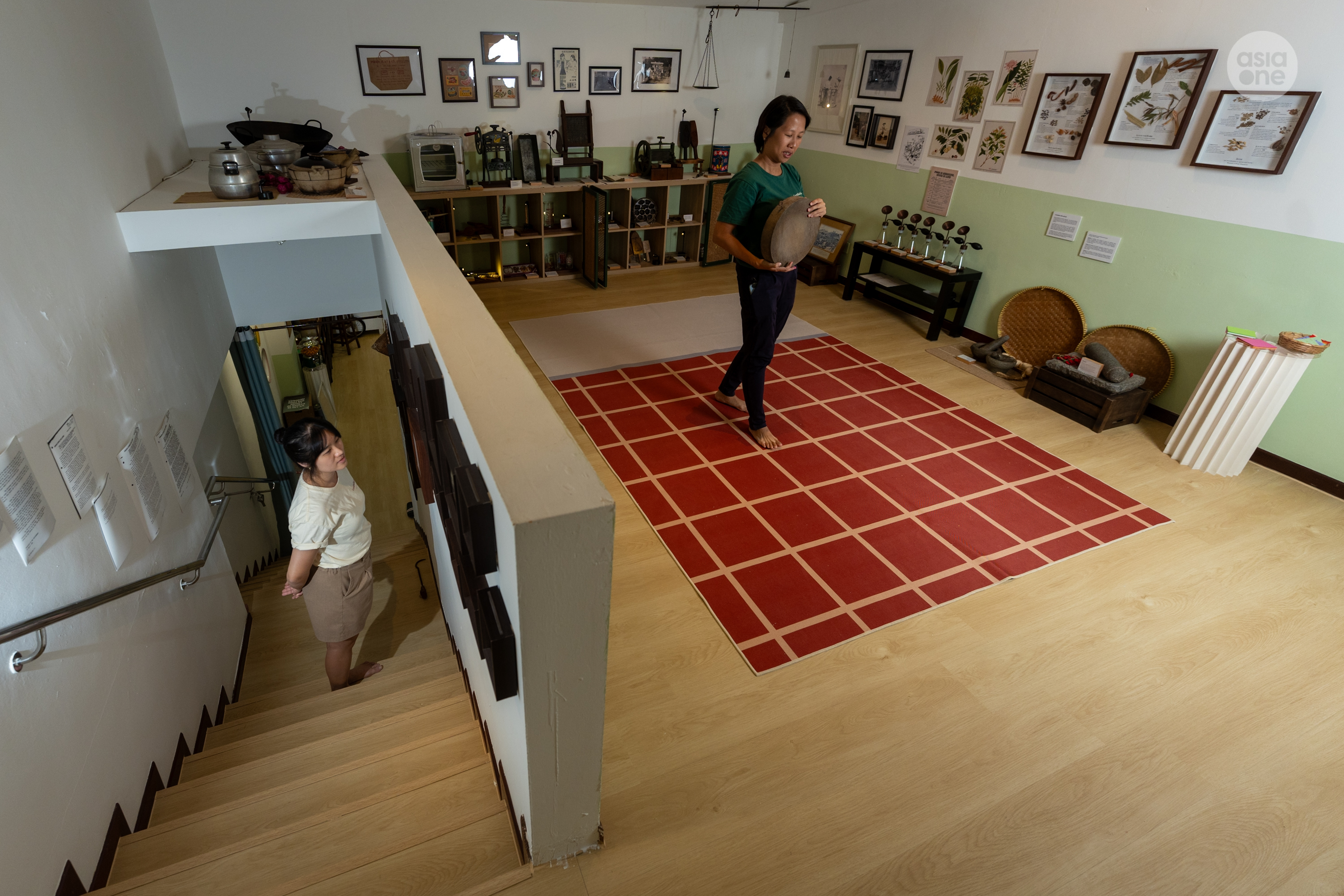
But things are a little different at the Museum of Food, where all exhibits are openly displayed.
“My experience with museums is that there are certain rules to follow, such as no food and no running [around]. But the difference with our museum is that guests really get to be themselves,” co-founder Emily Yeo, 39, told AsiaOne in an interview on April 17.
“They get to ask questions and are encouraged to touch everything, keep moving, and stay engaged.”
Emily founded the museum with Yeo Min, 30, after the pair bonded over their desire to keep Singapore’s food heritage alive. They currently run the museum full-time while working on personal projects on the side.
Located in a shophouse along Joo Chiat Road, the two-storey space is divided into several areas — a workshop, gift store, and book corner on the first floor, and a display area for exhibits on the second.
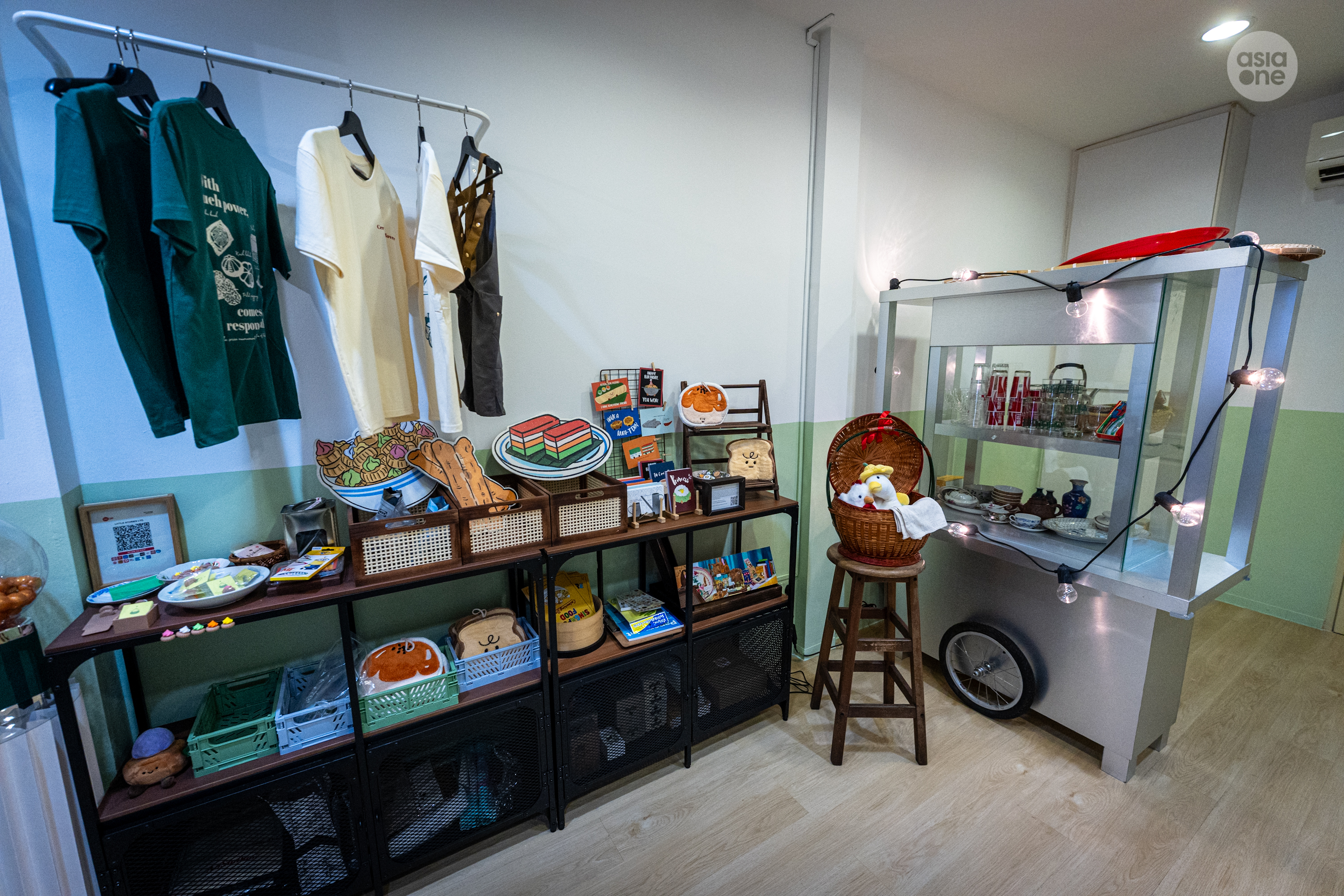
The Museum of Food has no fixed operating hours. Instead, those interested in visiting can do so by appointment during open houses or on days when workshops are conducted.
The first open house will take place on May 3. Subsequent ones will happen every month, with each ticket going for around $10.
Workshops last one to two hours and average $50 per person. Group rates are also available.
“The whole point of being a food museum of living heritage is that people need to come and have something to taste, do, or learn. It’s not your usual museum where you just go in and walk around,” said Min.
From authors to museum owners
Emily and Min, who are both authors, got to know each other through a shared publisher in late 2023.
Emily, who started a cooking studio for children in 2013, wrote the cookbook The Little Book Of Singapore Food Illustrated, while Min authored Chinese Pastry School.
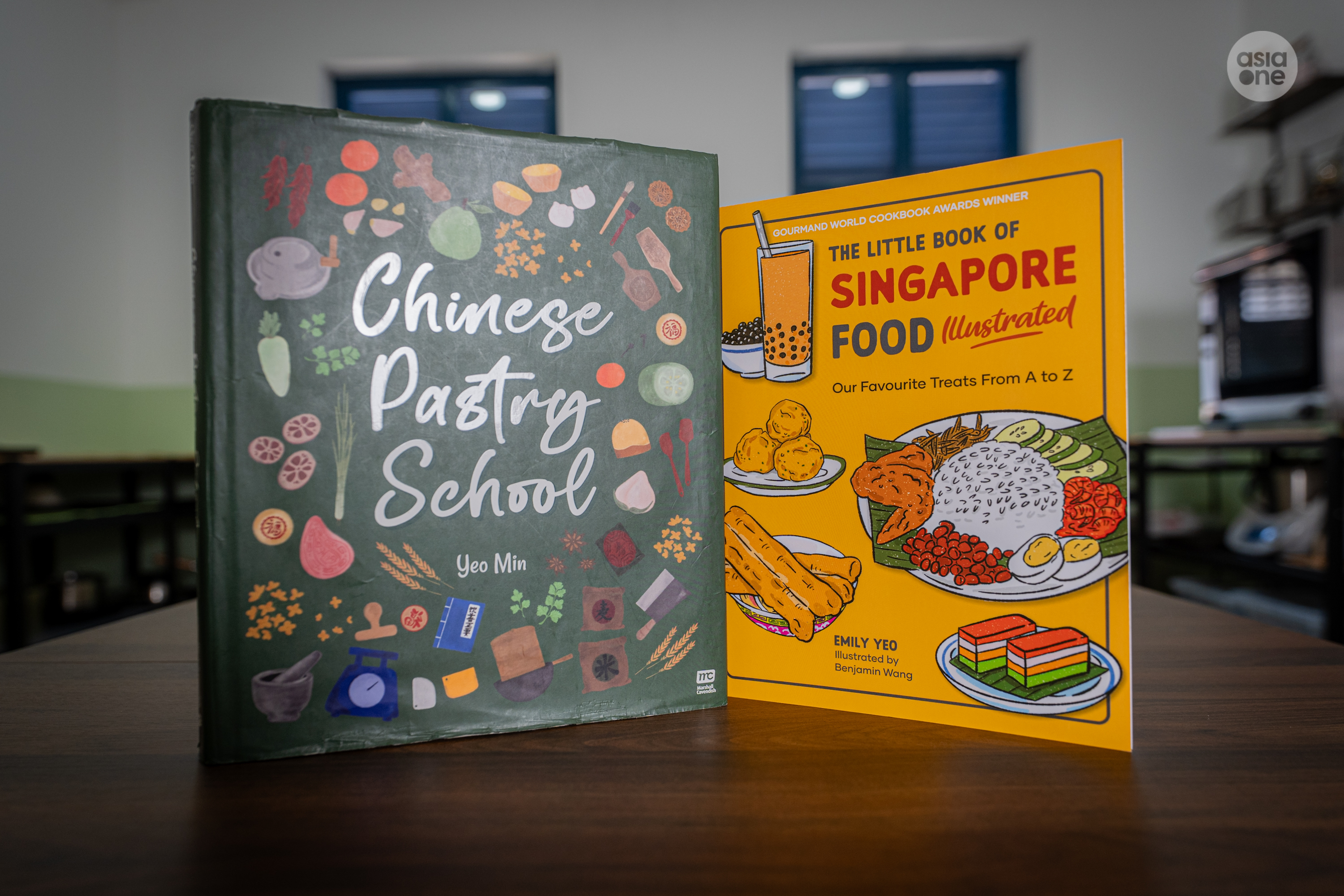
After becoming friends, the pair collaborated on several projects — such as a kids baking workshop and community project QixiFest 2024 — and discovered their shared interest in food and preserving Singapore’s heritage.
“One thing led to another. We realised that there’s really a lack of food heritage programmes in Singapore. So that’s where we saw a crisis, and also an opportunity,” said Emily.
The women also noticed that in Singapore, the way food and culture are approached can sometimes be a bit “separate”.
“For example, when we want to learn about Malay heritage, we go to the Malay Heritage Centre, and vice versa for Chinese heritage,” said Min.
“But at the Museum of Food, there is a lot more flexibility to look across cultures and to think about what we really consider Singapore food.”
Prior to opening the museum, the duo were already hosting cooking workshops separately, and it made sense for them to collaborate on workshops featuring heritage recipes.

But as this idea grew, they realised that not everyone has the time and resources to attend such classes, and that they can also be rather expensive.
“A lot of cooking classes out there charge $100 to $200, so we wanted to set this up as a non-profit organisation with accessible cooking classes that cover a range of topics,” explained Min.
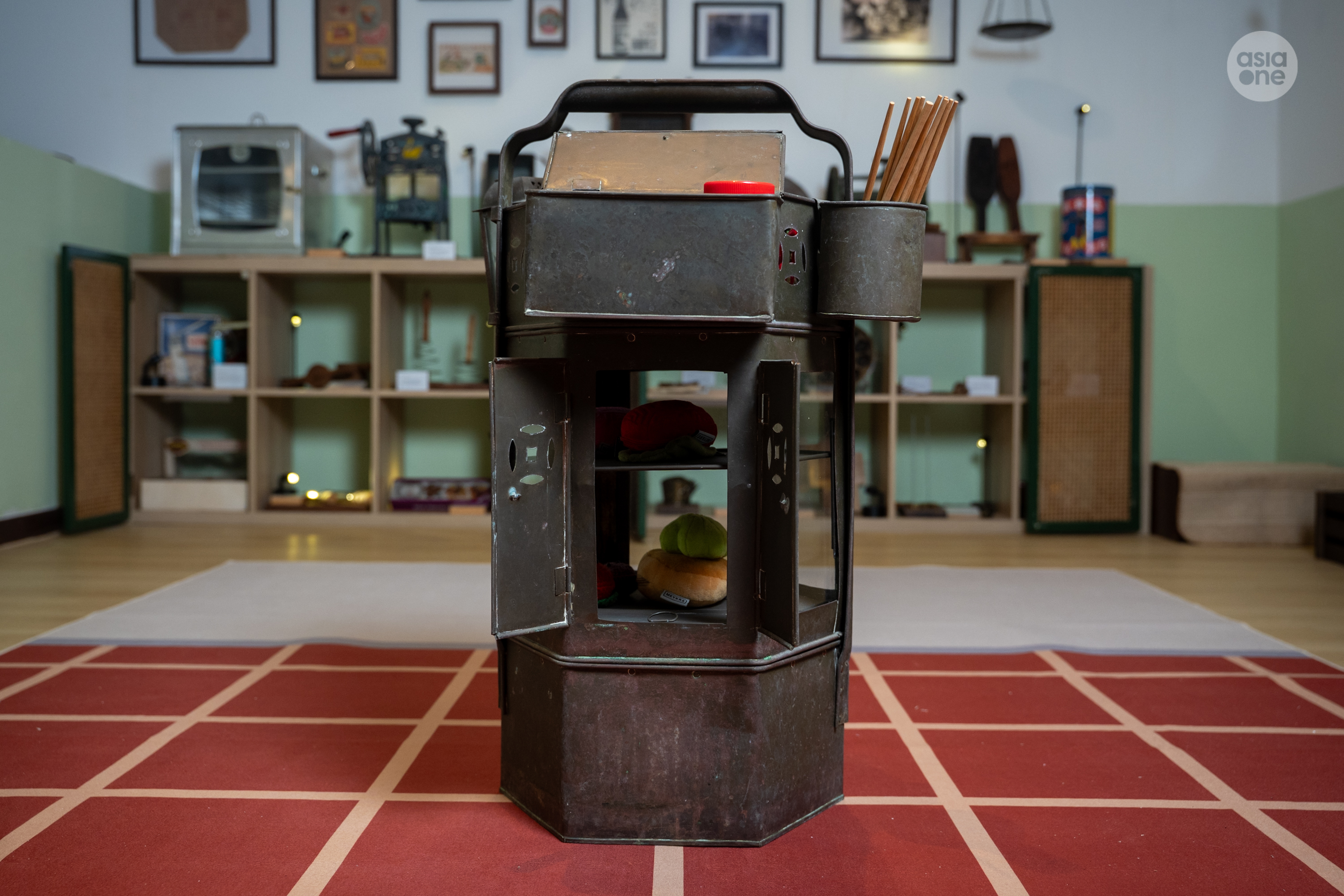
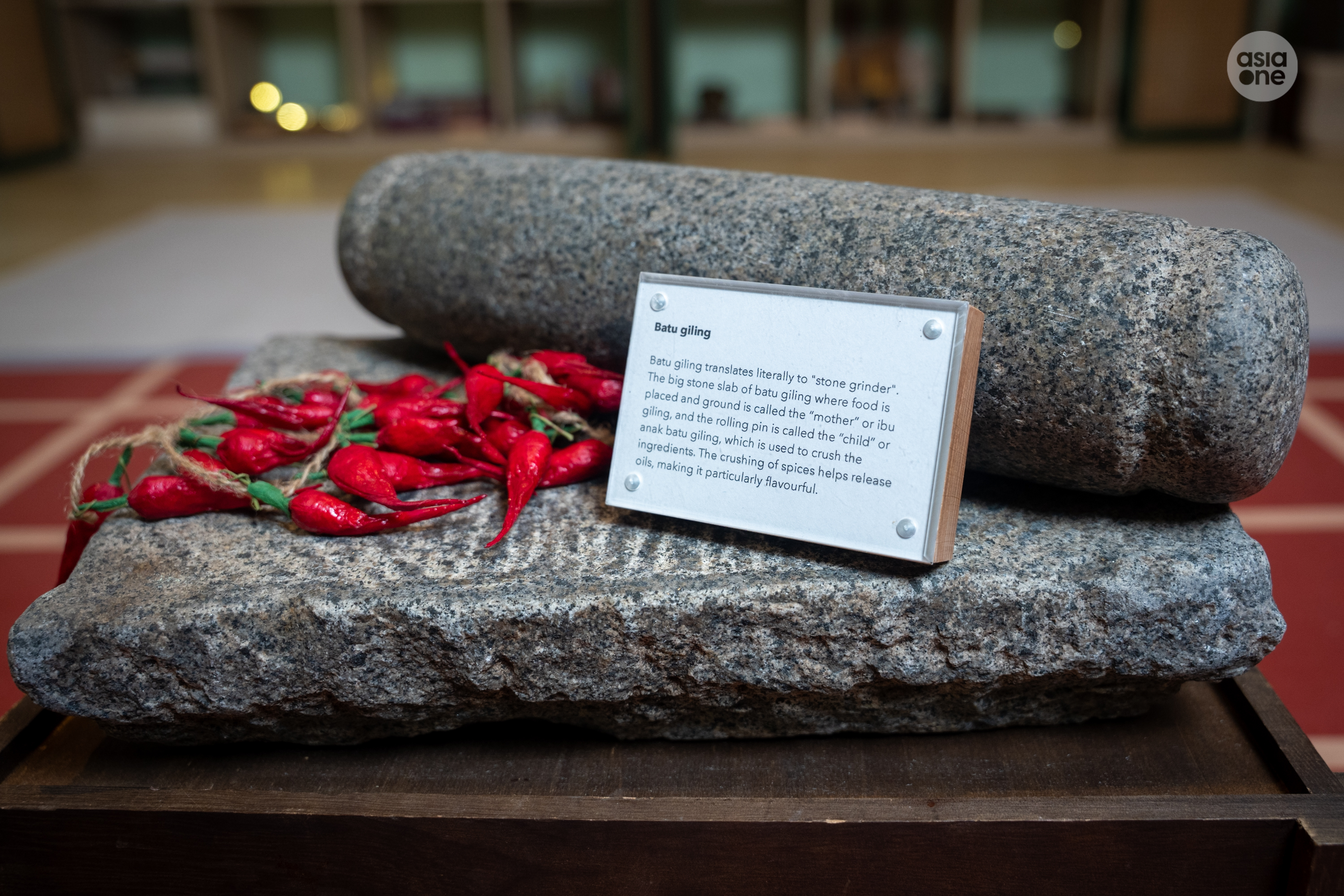
Apart from cooking lessons, they wanted people to be able to view and interact with artifacts and tools that have been used in Singapore’s kitchens for decades.