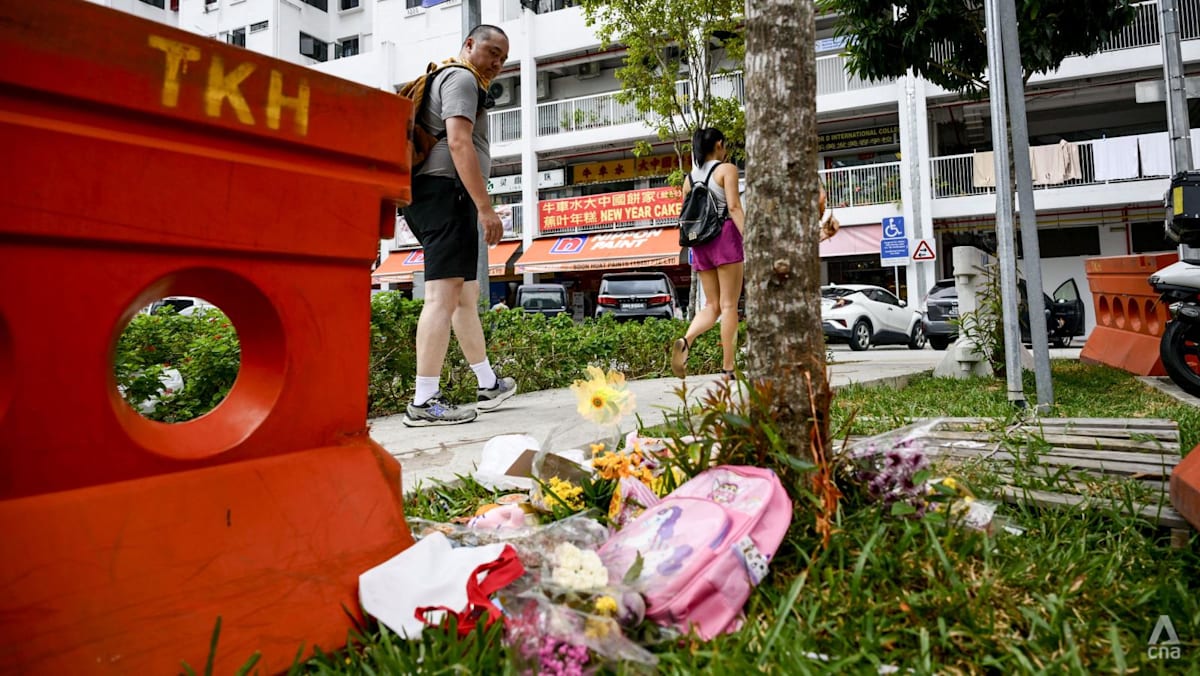
SINGAPORE: A gag order has been imposed in the fatal Chinatown car accident –and if you have been sharing videos or photos of the incident, you could be in breach, lawyers warn.
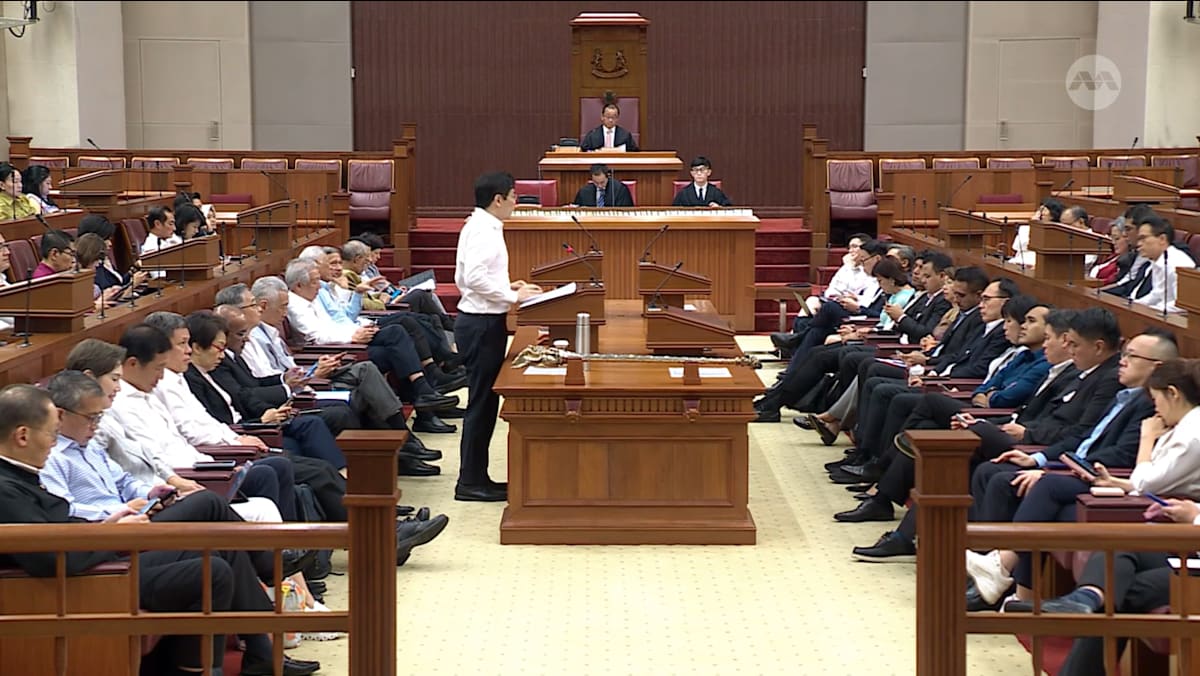
On Wednesday (Apr 8), a 38-year-old female driver was charged over the viral incident that killed a six-year-old girl on Feb 6, with the court imposing a gag order during the hearing.
The order was granted to protect the identity of the accused’s six-year-old son, who could be called as a witness. Because he is the accused’s child, the order extends to her as well, covering details such as her name, address, photograph and vehicle registration number, and any other information that could lead to her identification.
With videos and photos of the incident already circulating online, CNA examines whether the gag order applies to such material retrospectively.
When and how does the court impose gag orders?
Gag orders are issued by the court to protect the identities of minors involved in court proceedings, or victims of criminal offences – in particular, victims of sexual crimes.
A gag order is not imposed to protect the accused. The accused is covered only if identifying them could lead to the identification of the protected person.
In another recent case involving a drunk driver who fatally struck a pedestrian, a gag order was similarly imposed on the offender’s identity to protect his two young children, who were in the car at the time of the crash.
Gag orders are typically issued when the accused is first charged in court and apply broadly, including to members of the public.