Follow our live coverage here.
SINGAPORE – The impact of the Iran war has so far been relatively contained in Singapore, with no emergency measures or work-from-home orders, unlike in many countries around the world.
The Government has yet to dip into its energy stockpiles of liquified natural gas and diesel, which are enough to last for months, although it has warned of a “bumpier ride ahead”.
But the conflict, which has driven up energy costs, has seeped into daily life here, prompting the authorities to take action to ease the burden.
Prime Minister Lawrence Wong on April 2 said some support measures announced at the Budget will be brought forward, to provide earlier relief and cushion the Middle East conflict’s impact on Singapore households and businesses.
He said the Government will also provide targeted support to sectors hit hardest by the conflict and enhance existing measures.
More details will be provided when Parliament sits next week.
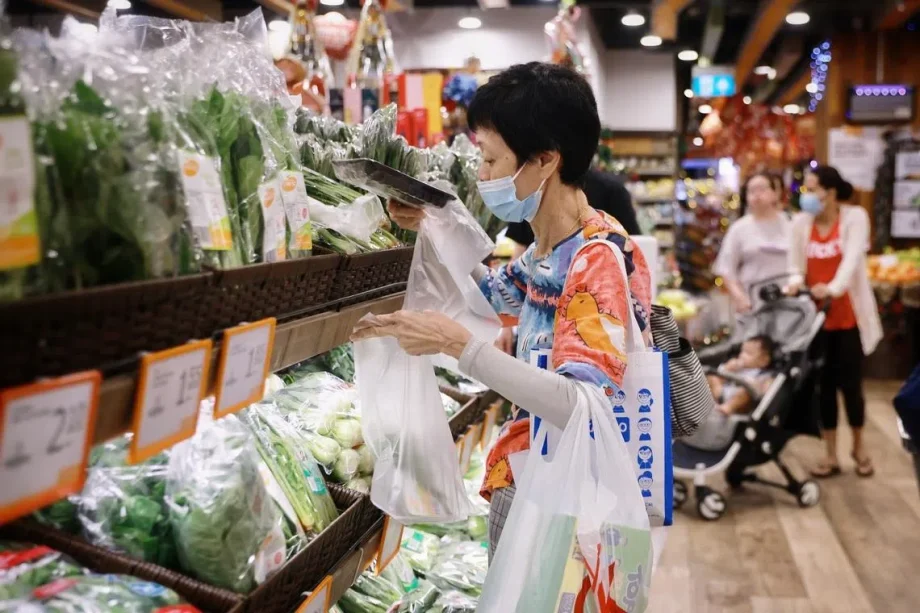
The support measures will come at a timely juncture, as higher prices begin to bite across the broader economy.
As school bus driver V. Parath put it: “The price of everything in Singapore is increasing”.
The impact is already being felt at the flick of a switch, with electricity tariffs, which most households pay, rising for the quarter starting April 1, and authorities warning of sharper increases to come.
Cooking gas prices have also increased, although providers said they may absorb costs for hawker centres.
Take a taxi, and you will likely pay more than before, because temporary fare hikes by most operators have taken effect. Ride-hailing operators Grab, Gojek and Tada will also temporarily raise surcharges to defray their drivers’ fuel expenses, later in April.
Petrol prices, which surged following the war at major fuel stations, have pulled back slightly. But prices remain around the highs seen during the 2022 Ukraine crisis.
However, the spike in the price of diesel, used heavily by sectors such as construction, transport and logistics, has yet to ease.