SINGAPORE’S RESPONSE TO EVOLVING SITUATION
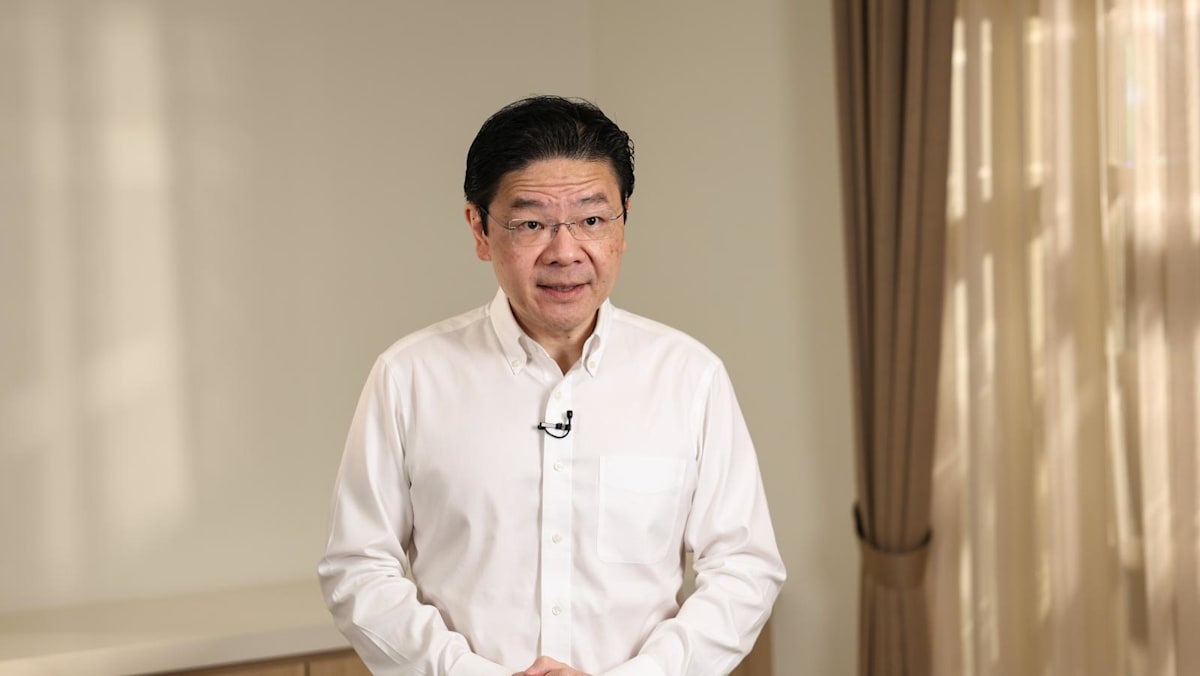
Outlining Singapore’s response to the situation so far, Mr Wong said the government is taking active steps to strengthen Singapore’s energy and supply chain resilience.
Singapore has so far managed immediate disruptions, with refineries scaling back production and firms sourcing supplies beyond the Middle East, he said. Liquefied natural gas (LNG) importers are also securing alternative sources globally.
The government is also strengthening longer-term resilience by deepening energy partnerships including with Australia, which already supplies more than one-third of Singapore’s LNG. It is also working closely with New Zealand to ensure supply lines for essential goods and food remain open during crises.
Households and businesses can expect additional support as energy prices rise. Mr Wong said measures announced in this year’s Budget, such as additional U-Save rebates, are being rolled out, with further enhancements and earlier disbursements planned.
Targeted support will also be provided to sectors that are more severely affected, with more details to be announced in parliament next week.
BUSINESSES AND HOUSEHOLDS MUST PLAY THEIR PART
Mr Wong’s warning comes as the conflict in the Middle East disrupts shipping through the Strait of Hormuz. Oil prices have already surged, rising by more than 60 per cent since the war began, putting pressure on supply chains worldwide.
Asia, including Singapore, is particularly exposed because a substantial share of energy supplies passing through the Strait of Hormuz is bound for the region.