At Harvard, for example, scientists have developed an evaporative-cooling-based system that also uses water instead of refrigerants. Its multi-chambered ceramic heat exchange unit is coated with a proprietary material that isolates moisture from air as it is cooled, reducing the temperature without adding humidity to the air.
BREAKING THE STATUS QUO
But no matter how groundbreaking a technology, its success still hinges on people and their willingness to give it a shot.
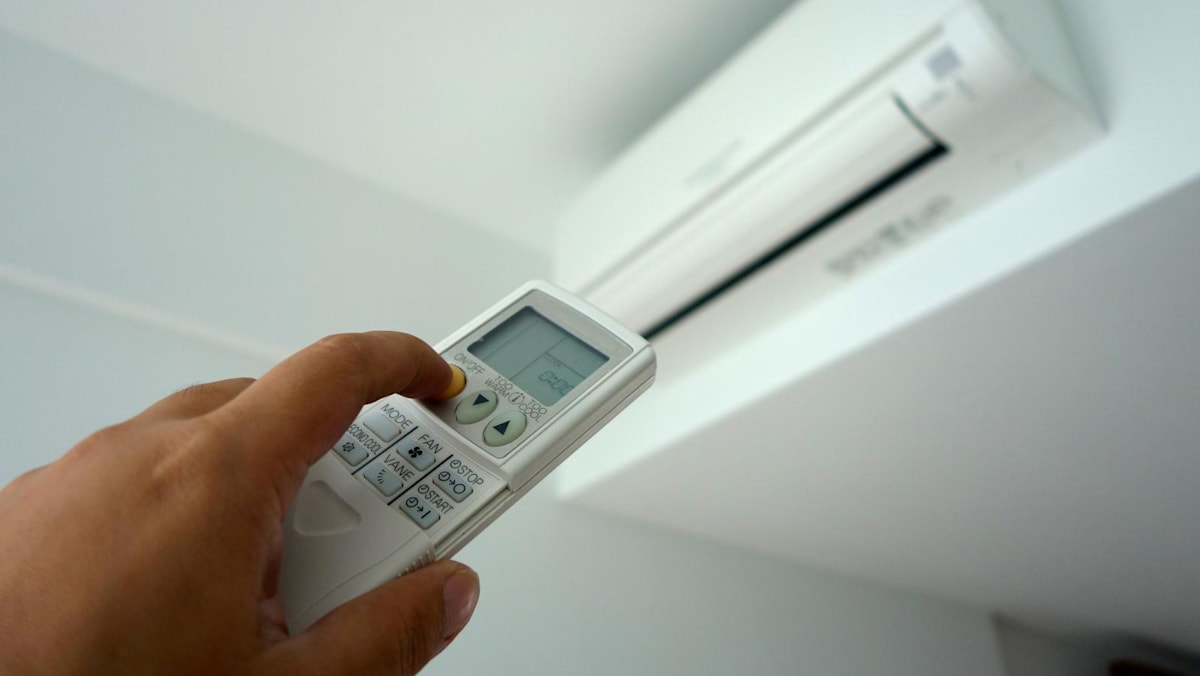
As we all know, habits are hard to break. For years, the National Environment Agency has recommended that 25°C is the optimal temperature for air-conditioning here, yet it is not uncommon to encounter freezing offices, malls and so on.