Singapore’s trading card scene has quietly grown into one of the island’s more active hobby communities.
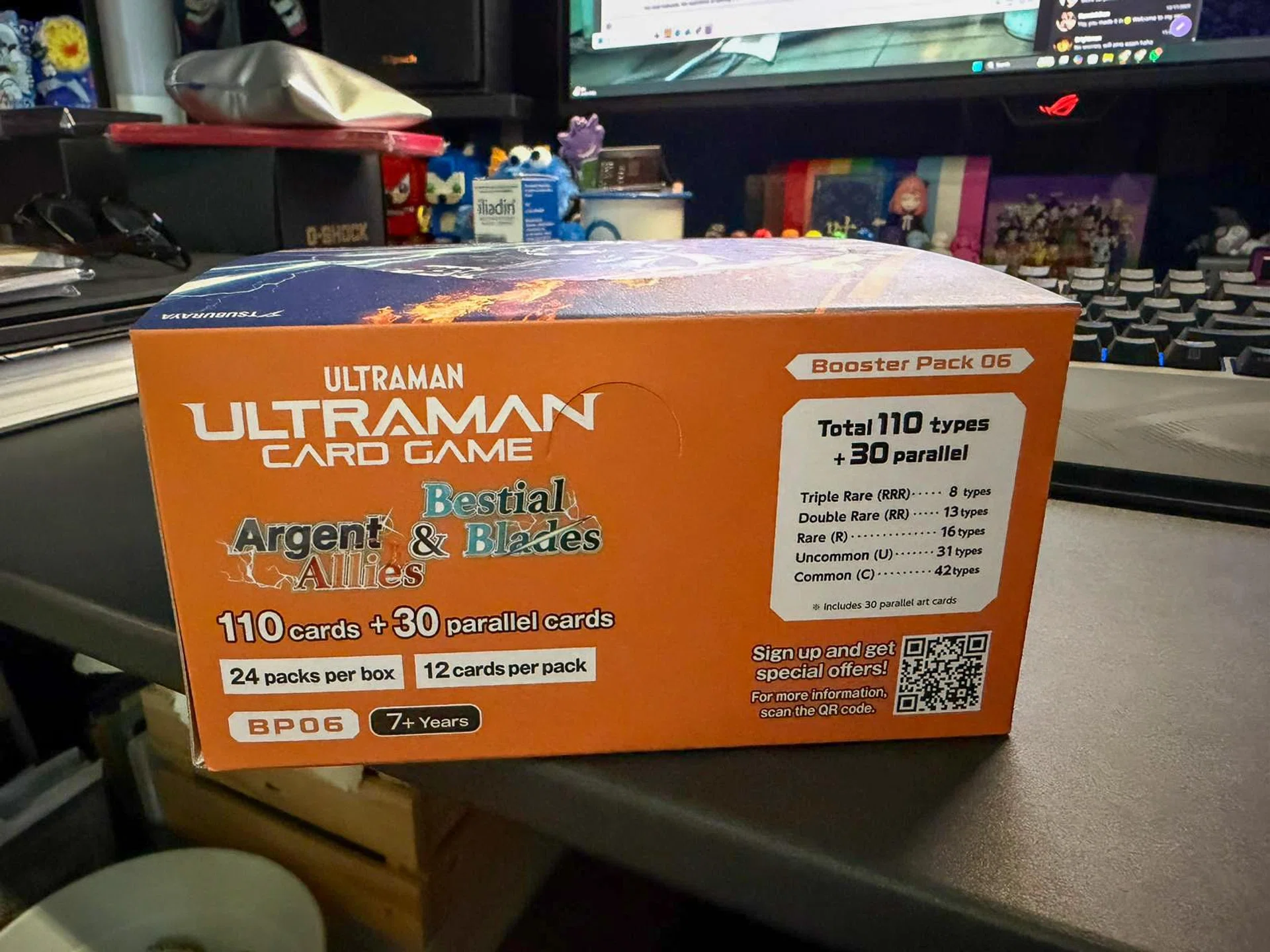
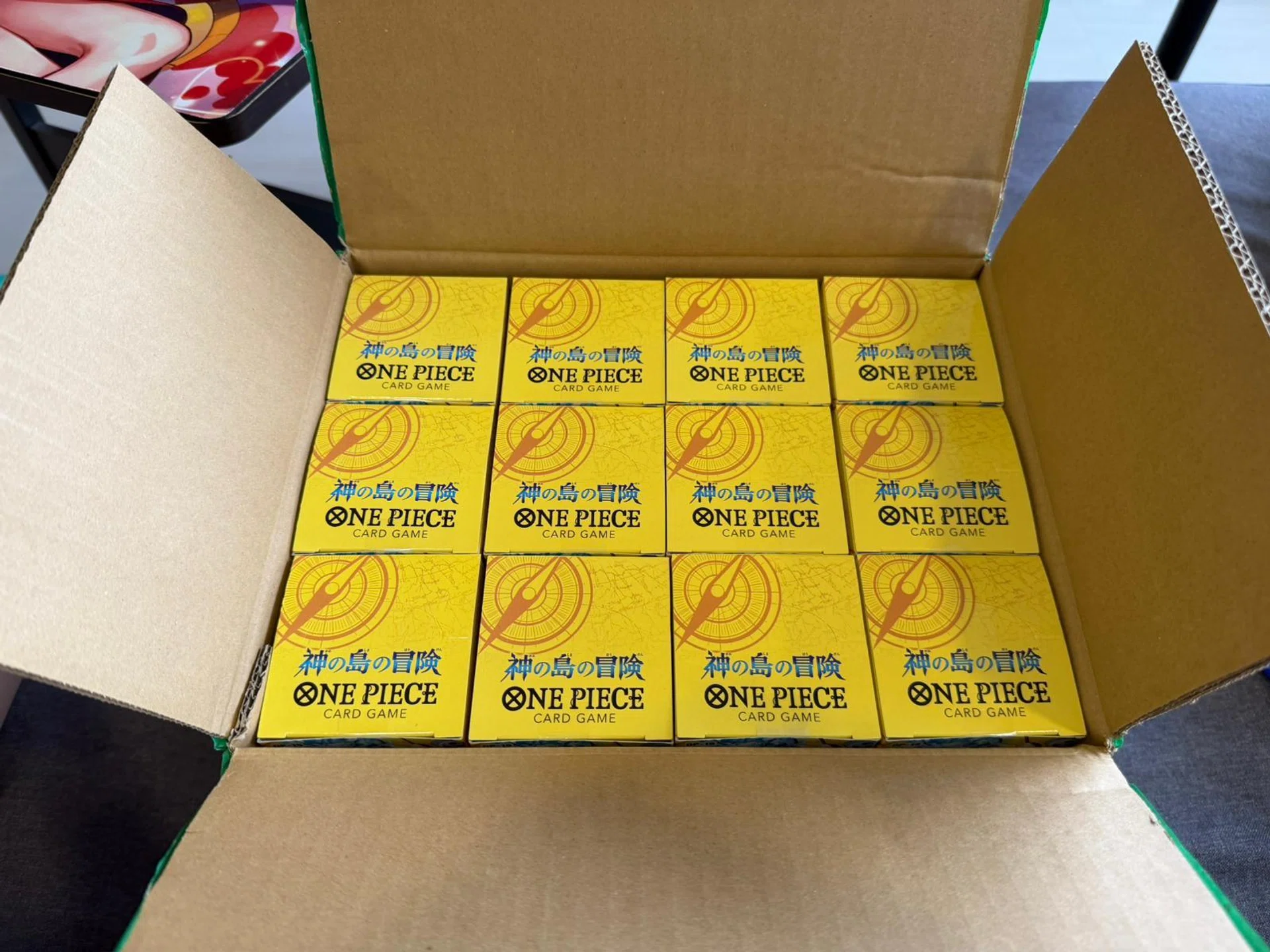
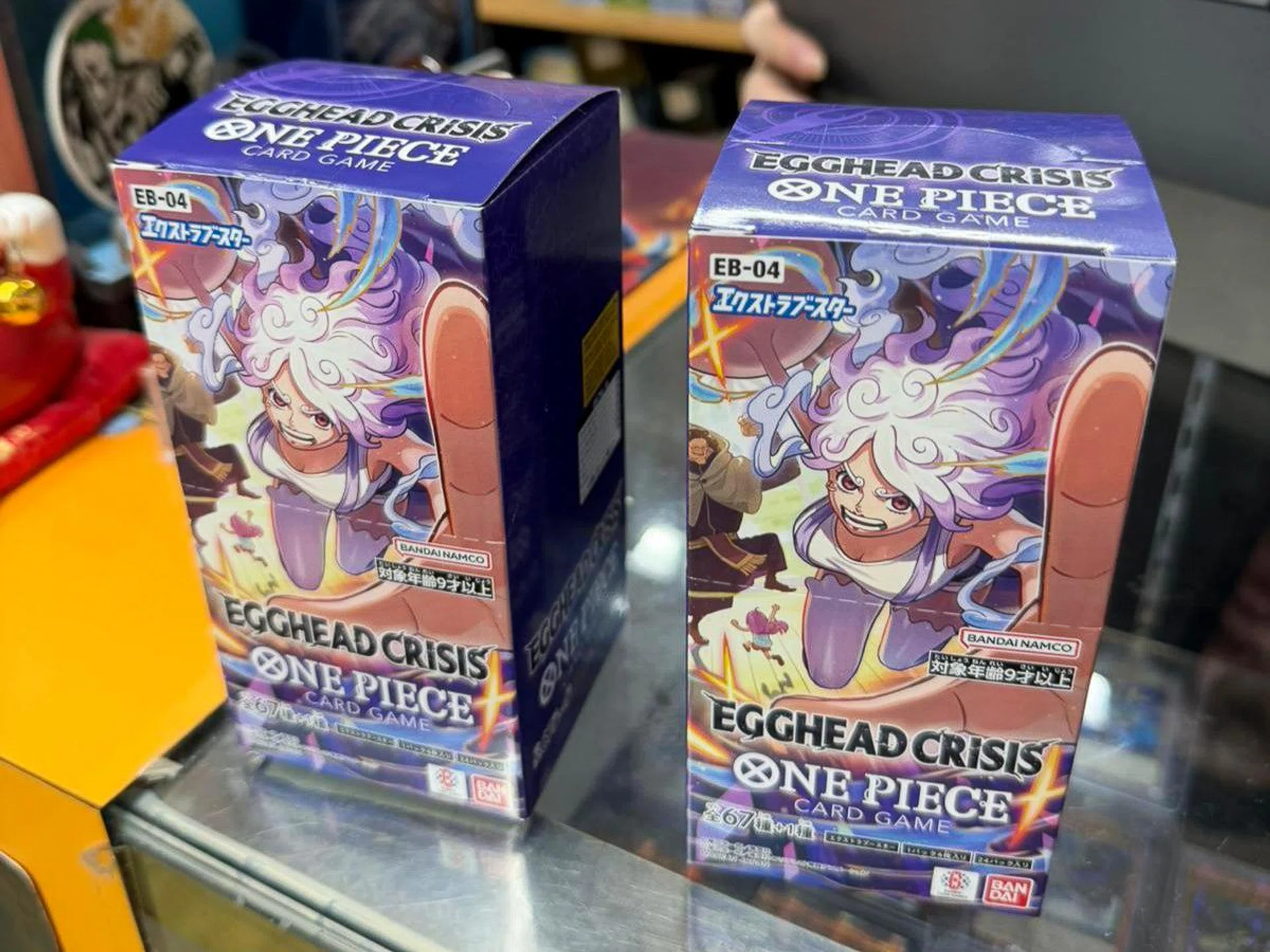
Walk into any card shop on a weekend and you will probably see players shuffling decks, collectors comparing pulls, and someone in the corner carefully opening booster packs in the hope of landing a rare card. Pokemon remains the most visible draw, but titles like Bandai’s One Piece Card Game and Konami’s Yu-Gi-Oh! trading card game (TCGs) have also built loyal followings here, while recent entries like Tsuburaya’s Ultraman are up and coming.
But that familiar ritual of cracking open a pack may soon fall under a new regulatory spotlight.
You would have heard by now that the Singapore government has announced plans to regulate blind box products – sealed collectibles where buyers do not know exactly what they will receive. Well, it looks like trading card booster packs are expected to be included under the same framework too.
The initiative is part of broader efforts by the Ministry of Home Affairs and the Gambling Regulatory Authority to address concerns that certain chance-based retail products could encourage gambling-like behaviour.
On paper, this logic is easy to understand. Blind boxes, gachapon toys and trading card packs all rely on the same fundamental mechanic: uncertainty, or the luck of the draw. You purchase sealed products without knowing exactly what you will get, with rarer items appearing at lower probabilities.
For trading card players, however, that randomness has always been part of the hobby’s DNA.
You see, opening booster packs is about the value as much as it is about the experience. The excitement of revealing a holographic (or foiled) card or an extremely rare pull is an exhilarating moment for both newbies and seasoned collectors. That tension between chance-based mechanics and hobby culture is exactly where the debate now sits.
But it’s important to remember that Singapore is not banning trading cards or collectible toys. Instead, authorities appear to be exploring safeguards that could include clearer probability disclosures or measures designed to reduce excessive spending, particularly among younger buyers.
The details are still being worked out, but the announcement has already prompted conversations across the local TCG scene – from collectors and casual players to the hobby stores that host tournaments and community nights.
Publishers are also watching developments closely as the regulatory framework takes shape. For instance, Tsuburaya Productions says it is currently monitoring the situation while engaging industry stakeholders.
“We are aware of the Singapore Government’s announcement regarding planned regulatory measures for trading card packs and other blind box products as part of efforts to manage gambling related risks,” the company said in response to questions from HardwareZone.

At this stage, we are actively monitoring the policy development and engaging with industry stakeholders to better understand the intent and potential scope of the regulations as they are finalised. Our primary goal is to ensure that any regulatory changes are well informed, proportionate, and preserve the wholesome collectible and gameplay experience that fans of our Ultraman Card Game enjoy without impacting the community that has been built.
Tsuburaya Productions

Companies like Tsuburaya and Bandai already list the type and number of special cards you can get in a booster box. But it’s worth noting there are “cheap” special cards and high-value ones too, and it’s the market forces that determine these values.
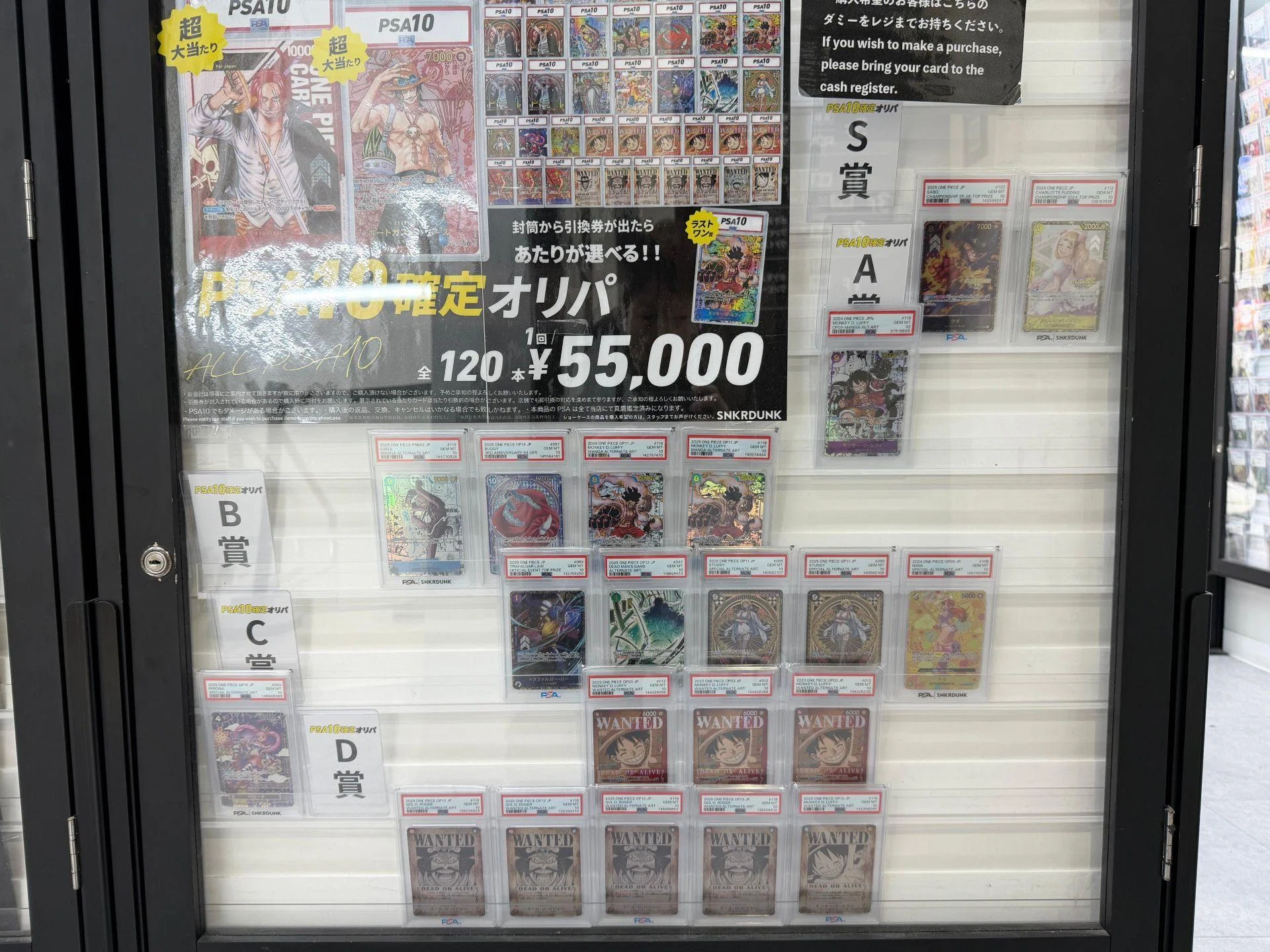
And there is another side to the TCG that could complicate things further: the growing popularity of Oripas, or original mystery packs assembled by sellers themselves. I’ll cover this further down as well.