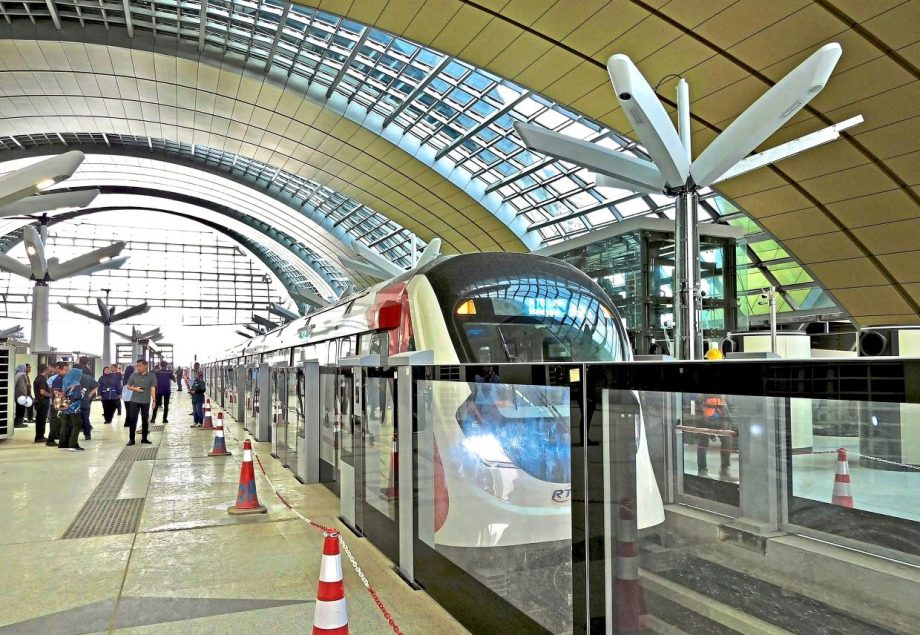
JOHOR BARU: If all goes according to plan, the Johor Baru-Singapore Rapid Transit System (RTS) Link will begin operations in February 2027, enhancing connectivity between Singapore and Malaysia, particularly Johor.
With a capacity to carry approximately 40,000 passengers daily and train frequencies of six minutes during off-peak hours and 3.6 minutes during peak periods, the light rail transit shuttle service connecting Bukit Chagar in Johor Baru and Woodlands North in Singapore is expected to generate economic opportunities across various sectors in Johor. The journey between the two stations is expected to take about five minutes.
From small traders to players in the transport and property industries, businesses are hopeful that the RTS Link will boost their earnings by bringing in more visitors from Singapore.
There is, however, another possibility: could the increased cross-border movement lead to Johor Baru merely serving as a stopover, while the economic benefits are largely confined to businesses operating near the Bukit Chagar RTS station?
Small traders hope to reap benefits
Restaurant owner David Chiang, 65, believes the new rail service will attract more Singaporean customers, not only at weekends but also on weekdays, which are usually quieter.
“When the RTS starts operating, it will be easier for Singaporeans to come to Johor Baru. They might come for breakfast or lunch, go shopping afterwards and then head straight home,” he told Bernama.
He said Singaporeans already make up a large proportion of the clientele at his restaurant at Jalan Trus here, which has been operating for about 80 years.
Murni Suratman, 51, who has been running a breakfast outlet in Tebrau since 2014, also sees a hike in visitors from Singapore, who generally have greater purchasing power, once the RTS Link is operational.
“It will benefit entrepreneurs, small traders and restaurant operators,” she said.
However, businesses located away from the city centre and popular tourist areas may not benefit to the same extent.
For instance, an asam pedas restaurant operator in Kampung Melayu here, who wished to be identified as Iena, expects visitors to favour established food destinations such as Senibong. Nevertheless, she hopes that upgrading the area surrounding her business premises would help attract new customers.
Traders interviewed by Bernama believe that the economic benefits of the RTS Link will not materialise automatically. Efforts will be needed to promote local products, highlight destinations beyond the established tourist hotspots and strengthen the competitiveness of local businesses.
Encourage overnight stays
While food operators are hoping for an increase in customers, the hospitality industry is endeavouring to turn short visits to Johor Baru into overnight stays that generate greater visitor spending.
Malaysian Association of Hotels (MAH) Johor chapter chairman Ivan Teoh said the RTS Link has the potential to benefit all segments of the hospitality industry, including five-star, mid-range and budget hotels, particularly those with convenient access to Bukit Chagar station.
He said hotel occupancy rates in Johor Baru city centre currently stood at about 90% during weekends, with some hotels recording full occupancy during extended holiday periods.
The industry, therefore, expects the RTS Link to not only boost demand during peak periods but also stimulate bookings on weekdays.
Read Full Article At Source