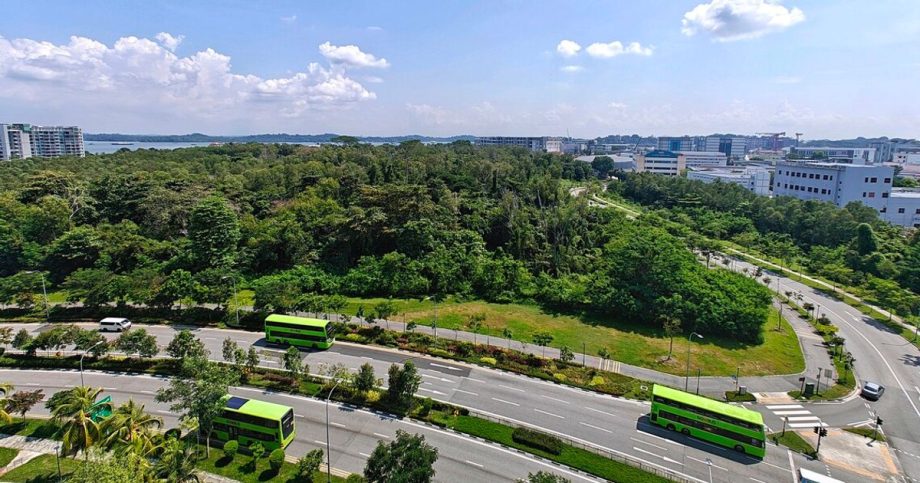
SINGAPORE – A new neighbourhood with a mix of public and private homes will be built on a forested site along Pasir Ris Drive 4, given strong housing demand in the town, said the Housing Board on Nov 23.
It has proposed to preserve about 13ha of existing nature, including coastal areas and vegetation, following an environmental impact assessment (EIA) covering 36ha of land.
In a Facebook post, the HDB said it has assessed alternative brownfield sites in the vicinity, such as Siglap Secondary School and industrial sites like Lorong Halus, in planning for new homes in the area.
“However, these sites are already being planned for future housing supply, needed for other national uses, or cannot be made available within the time frame required,” it said.
It said that there are no brownfield sites available within the next few years that can provide a comparable amount of housing to that of the Pasir Ris Drive 4 site, which has been earmarked for residential use since 1980.
An HDB spokesman the site will meet housing demand within the next decade, and development is expected to commence progressively in the next few years.
In addition to the EIA, HDB said it had engaged nature groups to better understand the site’s ecological value and how the impact on the environment can be minimised.
Of the 13ha of existing nature slated to be kept under its conceptual land use plan, about 8ha by the coast consists of intertidal, seagrass and mangrove habitats. These will be kept to safeguard the site’s most important coastal habitats and biodiversity, it said.
Adjacent to that, about 5ha of vegetation will be retained to serve as a buffer from the mangroves and an existing stream. It will also serve a stepping stone habitat for wildlife and maintain ecological connectivity along the coast.
About 1ha in the south-eastern corner of this area may be needed for potential coastal protection measures, but will not be developed in the medium term.
HDB has plans for a 15m-wide park along Sungei Loyang, which will be “lushly planted” to support biodiversity.
Read Full Article At Source